Ready for Cookie Season: Baking Sheets, Scales & Cooling Racks
13th Nov 2026
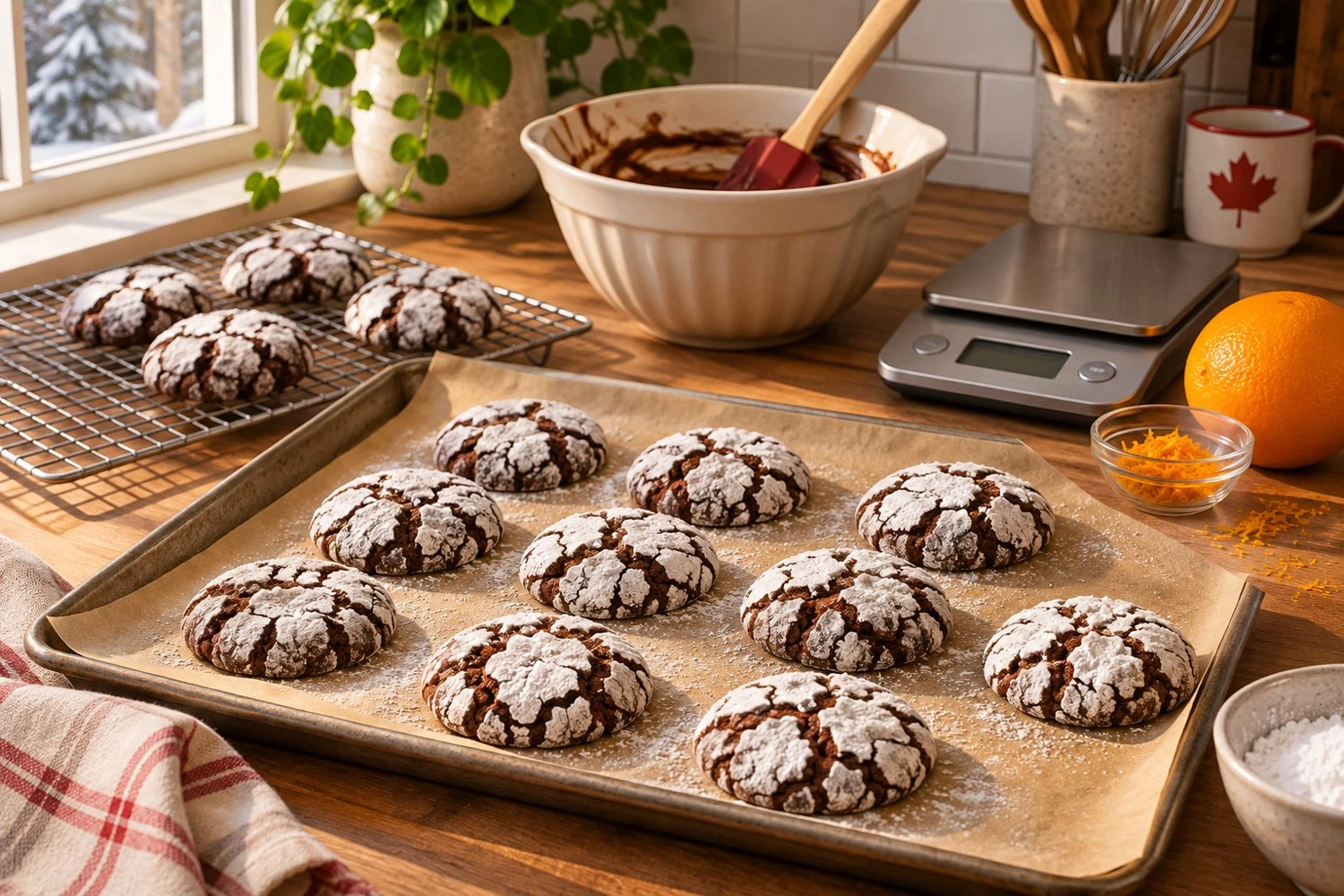
Holiday baking often begins with a favourite recipe. A few batches later, the practical questions arrive: why did one tray brown faster, where should the next batch cool, and how do you keep the last cookies the same size as the first?
A useful baking setup makes those details easier to manage. Start with the pieces that help you measure consistently, bake with enough space and cool everything before packing.
Choose baking sheets that fit your oven
Measure your oven rack before choosing a sheet. Leave space around the pan for air to circulate, and check its overall dimensions, including the rim.
The Cuisipro Large Baking Sheet is listed at approximately 44.5 × 30 cm and is made from carbon steel with a nonstick coating. It is an option for home ovens with enough clearance, but measure your own oven before ordering.
Two similar sheets can make batch baking more convenient: one goes into the oven while the other holds the next portion of dough. Keeping the sheets similar also removes one variable when comparing results.
Browse the Cookie Sheets & Baking Sheets collection with both oven space and recipe yield in mind.
Give each cookie enough room
A tray’s capacity depends on the dough, not simply on how many portions you can place on it. Cookies spread as they bake, so follow the spacing in the recipe.
Start with the recommended quantity per sheet. If the first batch spreads more than expected, allow additional space and keep the remaining dough chilled.
For a straightforward home-oven routine, bake one sheet at a time on the middle rack. If your oven browns unevenly, rotate the sheet near the end of baking, once the cookies have begun to set.
Never place fresh dough on a hot sheet. Let the pan cool first so the next batch starts under similar conditions.
Use a scale for ingredients and portions
Flour can pack differently into a measuring cup depending on how it is scooped. Weighing it removes that uncertainty.
A CDN ProAccurate Digital Kitchen Scale provides gram measurements and a tare function, allowing you to subtract the bowl’s weight before adding ingredients.
The scale is useful again when dividing the dough. Similar portions bake more evenly and make it easier to predict the number of cookies you will have for a platter or gift box.
Keep measuring spoons nearby for smaller quantities such as baking powder, salt and vanilla.
Make room for mixing
Choose a bowl with enough headroom to fold flour into the wet ingredients without spilling it over the sides.
The Emile Henry Argile Mixing Bowl 2.5 L offers a practical size for a modest cookie batch. A second bowl lets you combine the dry ingredients separately before bringing the dough together.
Set out everything before starting, especially when a recipe includes chilling time. That pause is part of the method, so build it into your baking plans rather than trying to work around it.
Plan where the cookies will cool
A cooling rack frees the baking sheet for its next batch and allows air to reach underneath the cookies.
The Cuisipro Cooling Rack measures approximately 35.6 × 23.5 cm. For larger baking sessions, allow enough rack space for cookies to sit in a single layer.
Let delicate cookies firm briefly on the baking sheet before transferring them. Once on the rack, cool them completely before closing a storage container or gift box. Trapped warmth can create condensation and soften the finish.
Pack a thoughtful assortment
Choose a manageable number of recipes with different textures, then plan the order around chilling, oven time and cooling space.
Keep strongly flavoured cookies separate from delicate ones, and pack crisp and soft cookies separately when possible. Include an ingredient or allergen note with homemade gifts.
A good baking setup does not have to be extensive. A suitable sheet, dependable measurements and enough cooling space can make a favourite recipe easier to repeat—and easier to share.