
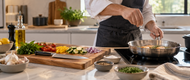
10 Kitchen Tips Every Home Cook Should Know
Posted by KitchenEssentials.ca on 12th Sep 2026
You don't need a restaurant kitchen or years of culinary training to become a better cook. Some of the biggest improvements come from simple habits: preparing properly, controlling your heat, using the right tools and knowing when to simply leave your food alone.
These are ten kitchen habits and techniques chefs rely on every day — and they can make just as much difference in your kitchen at home.
Prep Everything Before You Start Cooking
Chefs call it mise en place — literally, “everything in its place.”
Before turning on the stove, chop your vegetables, measure your ingredients, prepare your seasonings and make sure the cookware and tools you need are within reach.
Once cooking begins, things can move quickly. Having everything ready lets you concentrate on the food instead of searching for an ingredient while something is burning in the pan.
Keep Your Knives Sharp
A sharp knife is one of the most important tools in any kitchen. It gives you better control, cleaner cuts and makes preparation easier and more enjoyable.
You don't need a drawer full of knives. For most home kitchens, three good knives will handle almost everything:
- Chef's Knife: for chopping, slicing and everyday prep
- Paring Knife: for smaller, precise kitchen tasks
- Bread Knife: for bread, cakes and delicate slicing
Invest in quality knives, maintain their edges and they can serve you well for many years.
Preheat Your Pan
One of the most common mistakes home cooks make is adding food before the pan has had time to heat properly.
A properly preheated pan encourages better browning, improves texture and can help prevent food from sticking.
This is especially important when cooking steak, chicken, fish or vegetables where you want good caramelization and colour.
Stop Moving Your Food Around
Once food hits the pan, give it some time to cook.
Constantly flipping, stirring and moving ingredients can prevent proper browning. Whether you're searing steak, sautéing mushrooms or roasting vegetables, colour develops when food has time to stay in contact with a hot cooking surface.
If something is sticking badly, it may simply not be ready to turn yet. Once a good crust develops, food will often release much more easily.
Season Throughout the Cooking Process
Great food is rarely seasoned only once at the very end.
Season gradually as you cook. A little seasoning while sautéing vegetables, another adjustment when adding liquids and a final taste before serving creates much more balanced flavour.
The goal isn't to make food salty. It's to build flavour naturally, layer by layer.
“Great cooking isn't always about complicated recipes. It's about understanding ingredients, heat and good technique.”
Use the Right Cookware for the Job
Different types of cookware produce different results.
Stainless steel is excellent for searing, sautéing and creating pan sauces. Cast iron holds heat beautifully for steaks, roasting and slow cooking. Non-stick cookware is useful for delicate foods such as eggs and pancakes.
Good cookware doesn't magically make someone a better cook, but it can make good technique considerably easier.
Rather than filling your cupboards with dozens of pans, concentrate on a few quality pieces that match the way you actually cook.
Don't Overcrowd the Pan
When too much food is placed into a pan at once, the temperature drops and excess moisture becomes trapped.
Instead of browning beautifully, your ingredients can begin steaming. This is particularly noticeable with mushrooms, meat and roasted vegetables.
Cook in batches when necessary and leave some space between ingredients. You'll usually get deeper colour, better texture and considerably more flavour.
Let Meat Rest Before Cutting
After cooking steak, pork, chicken or a roast, resist the temptation to cut into it immediately.
Resting gives the meat time to settle before carving and helps retain more moisture.
Smaller cuts may only need a few minutes, while larger roasts naturally need longer. Cut too quickly and much of that moisture can end up on your cutting board instead of staying in your dinner.
Learn to Use Acid
When a dish tastes flat, many people immediately reach for more salt. Sometimes what it really needs is acidity.
A squeeze of lemon, splash of vinegar or spoonful of tomato can brighten flavours and bring balance to richer dishes.
Focus on Doing the Basics Well
Professional chefs spend years learning advanced techniques, but some of the best food is surprisingly simple.
Excellent ingredients, proper seasoning and good cooking technique will usually beat an unnecessarily complicated recipe.
A beautifully roasted chicken, perfectly cooked vegetables or a properly seared piece of fish can be more satisfying than something far more elaborate.
Better Cooking Starts With Better Habits
Becoming a better cook isn't about memorizing hundreds of recipes. It's about developing techniques and habits that you can use every time you step into the kitchen.
Prepare before you begin. Keep your knives sharp. Use good cookware. Control your heat. Season thoughtfully. Taste as you go.
The best cooks aren't necessarily the ones making the most complicated food. They're the ones who consistently do the simple things well.
Great Cooking Starts With the Right Tools
Explore quality cookware, kitchen knives and everyday tools designed to help make cooking at home easier.
Shop Cookware Shop Knives