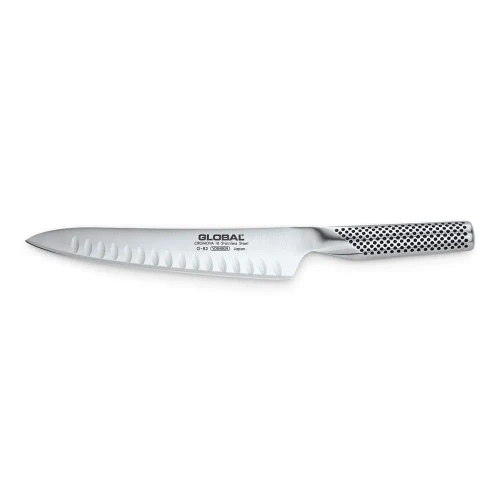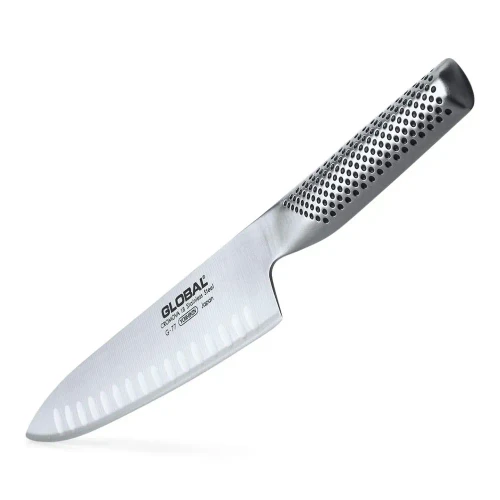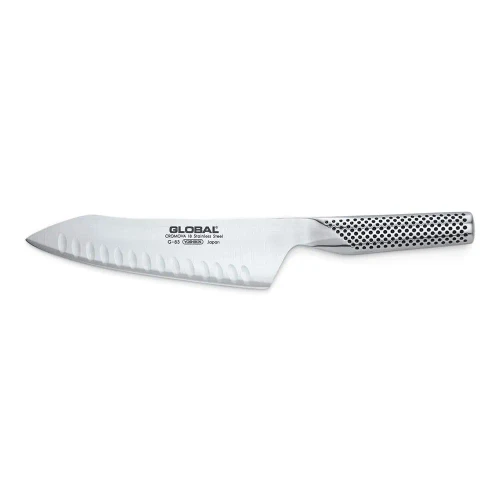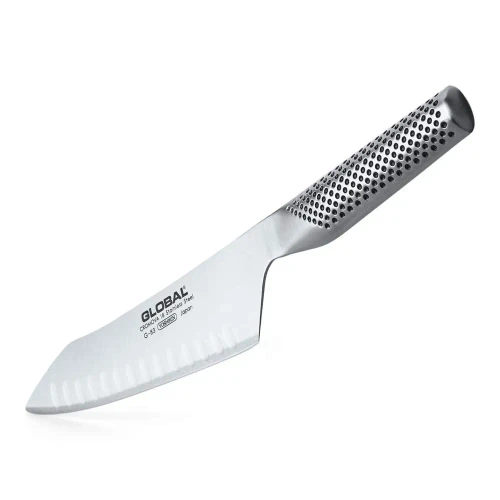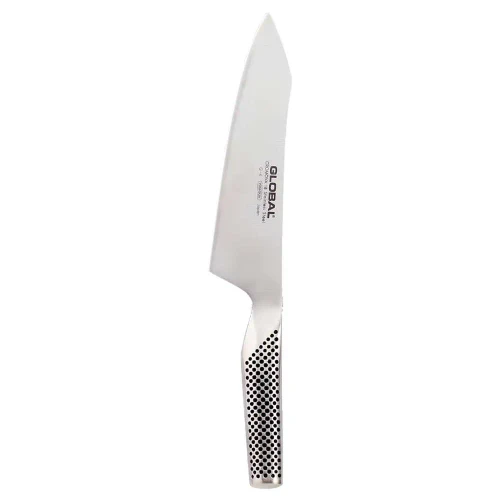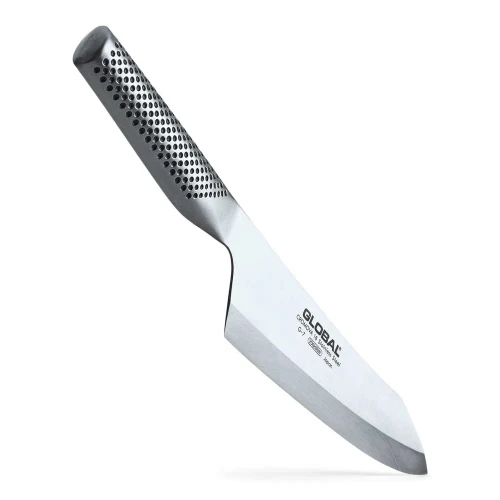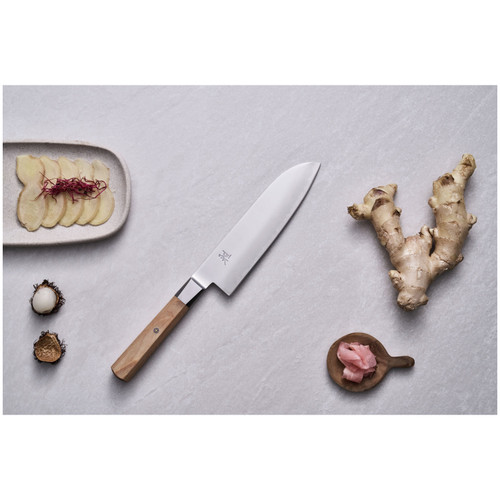
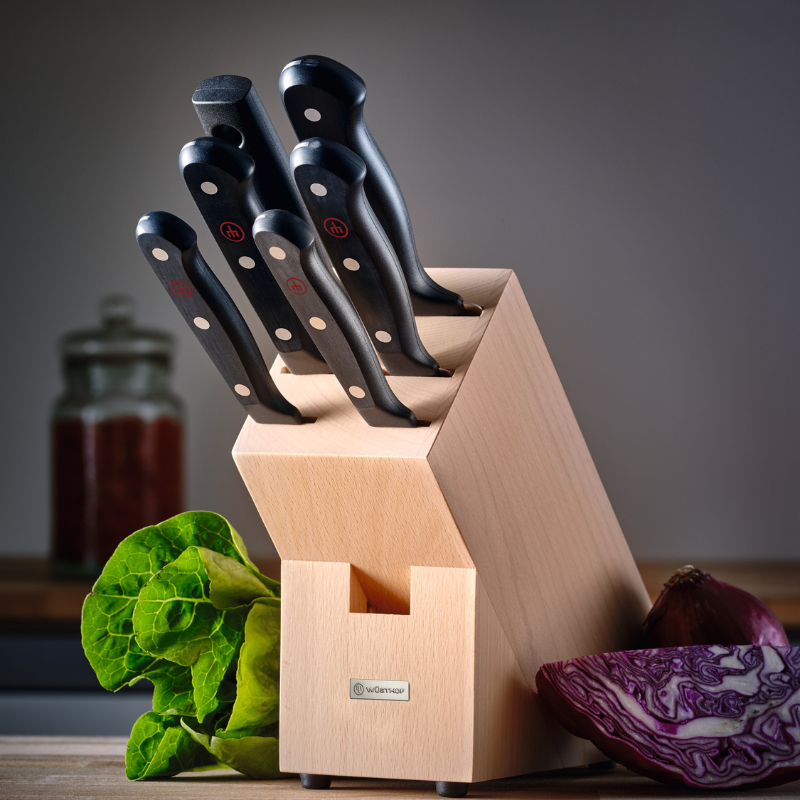
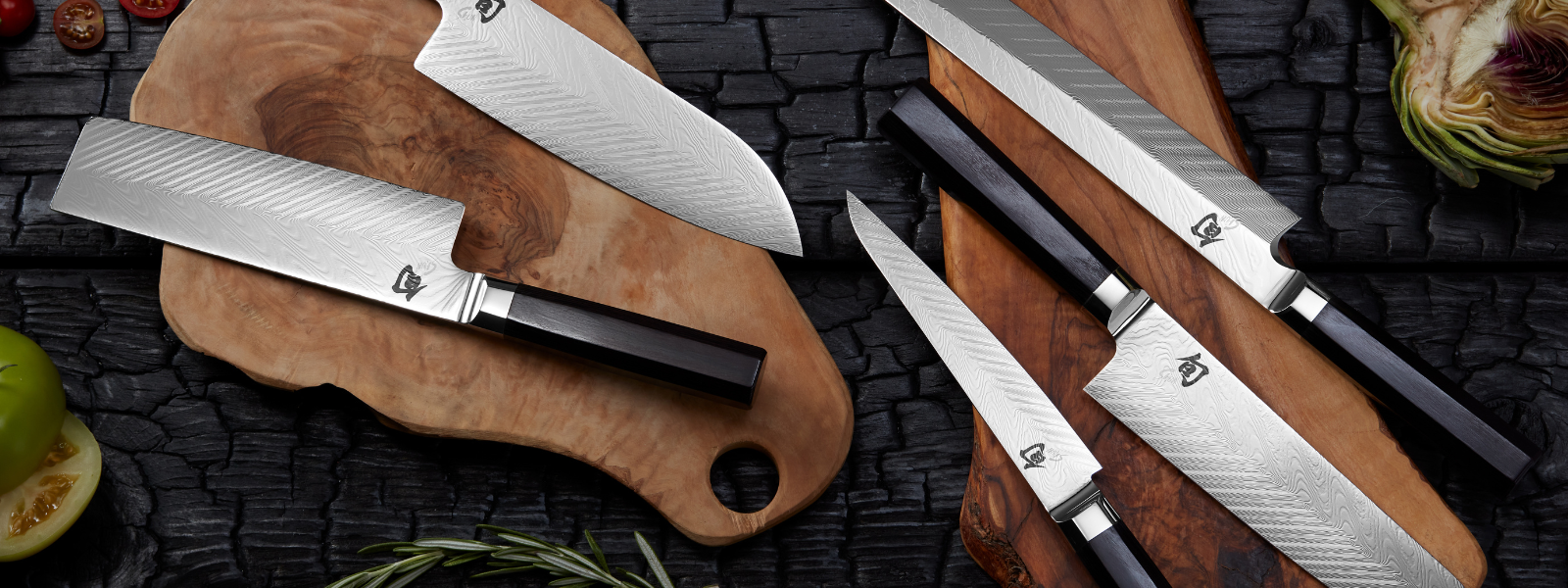
Discover exceptional kitchen knives from Shun, Wüsthof, Global and other leading brands.
Shop by Knife TypeFrom the first chop to the final garnish, the right knife makes every kitchen task feel effortless.
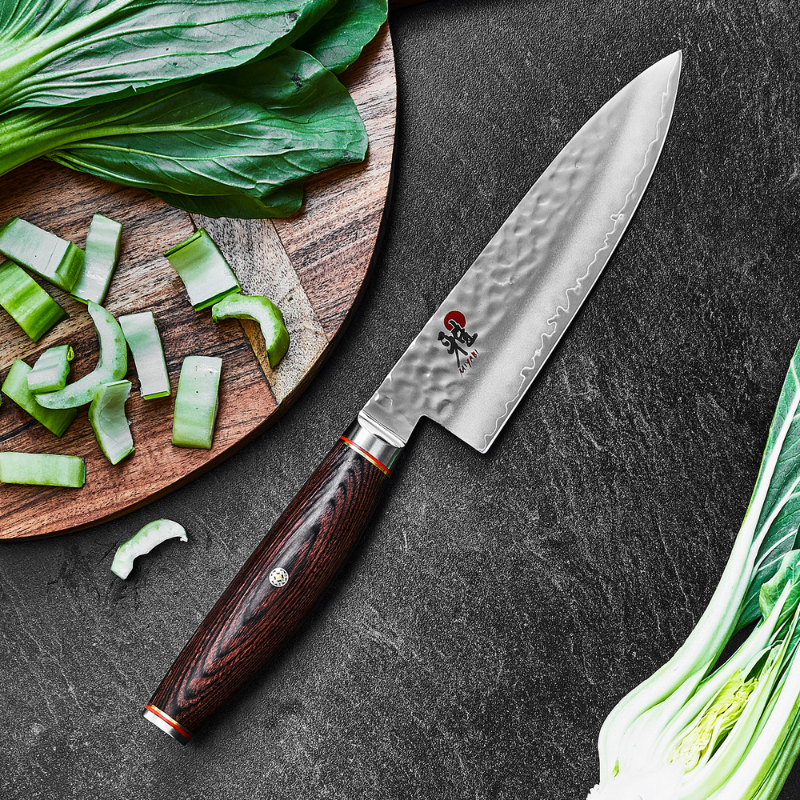
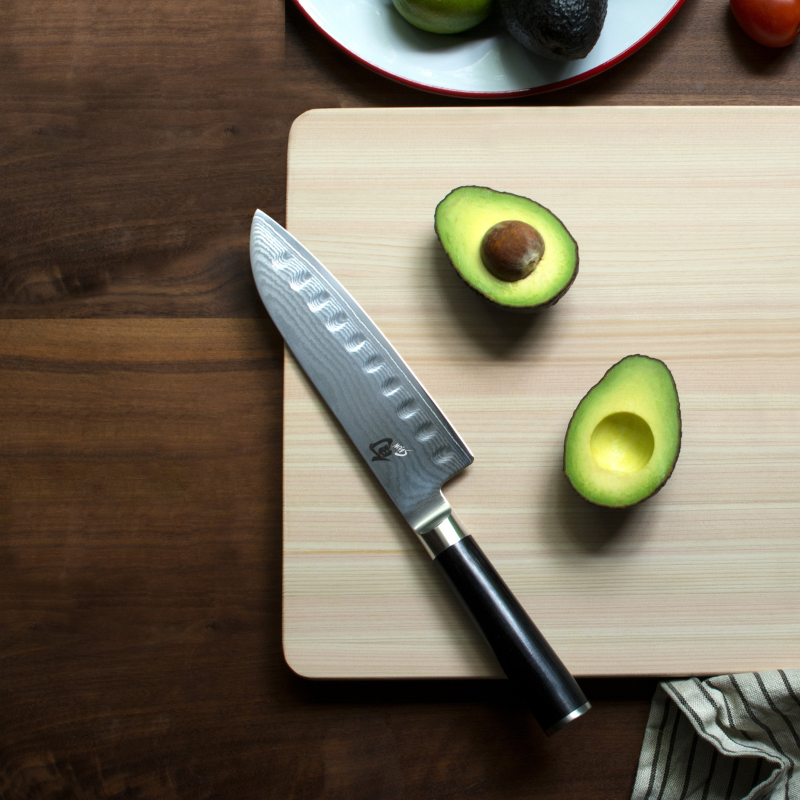
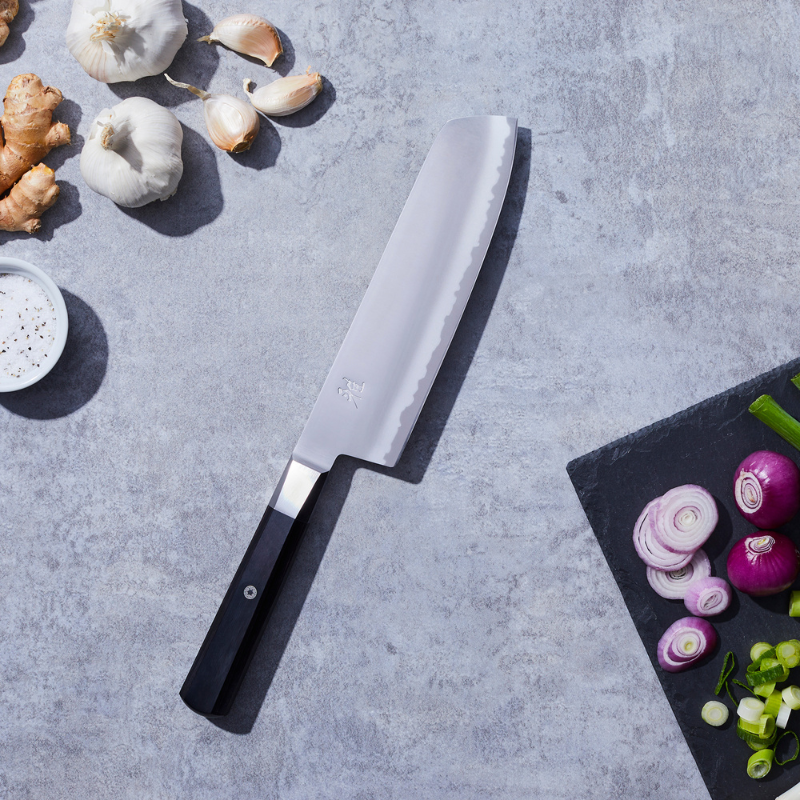
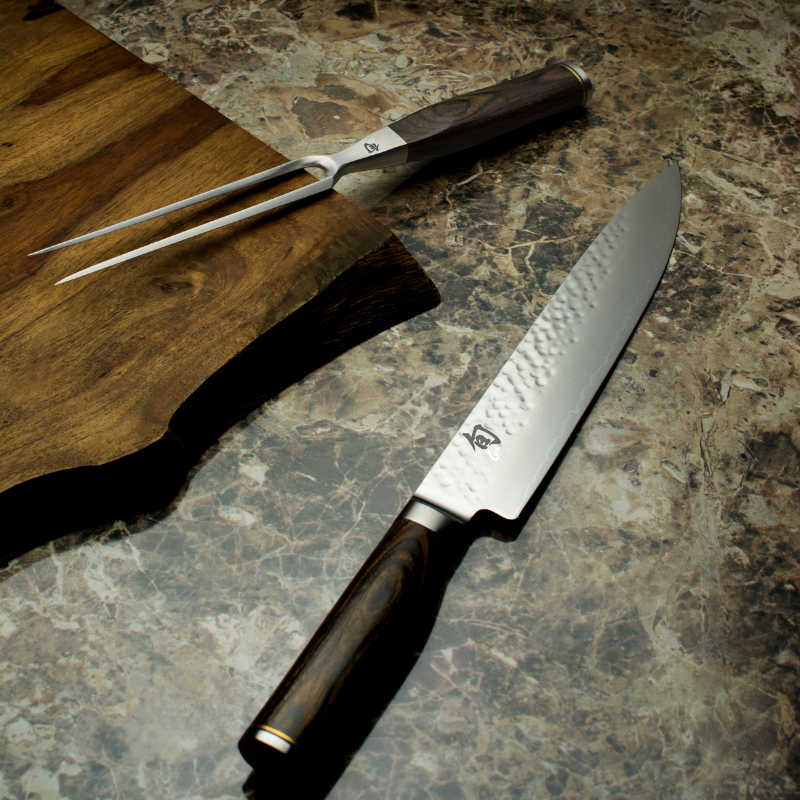
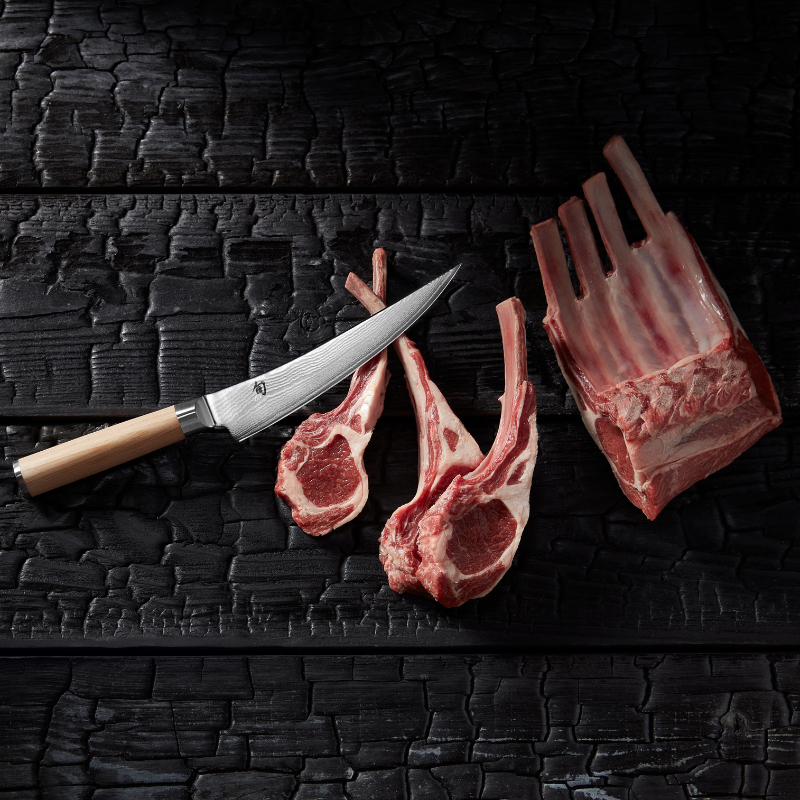
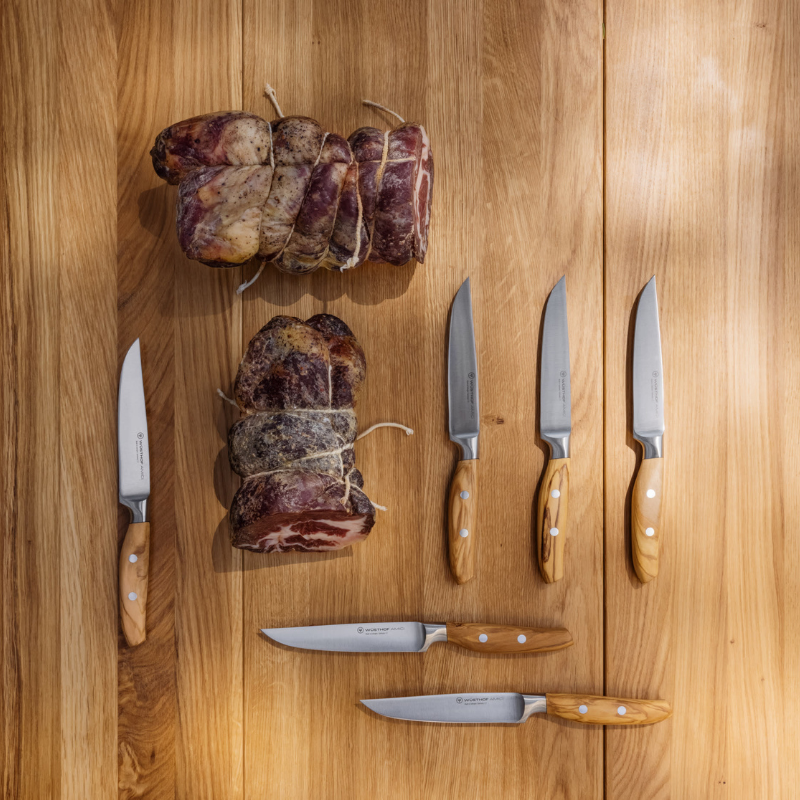
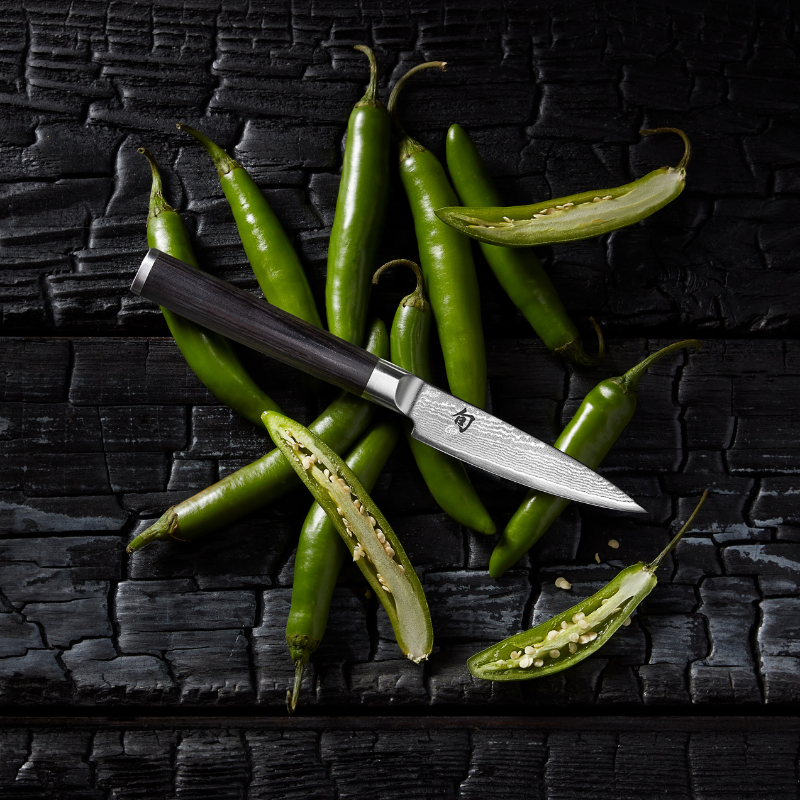
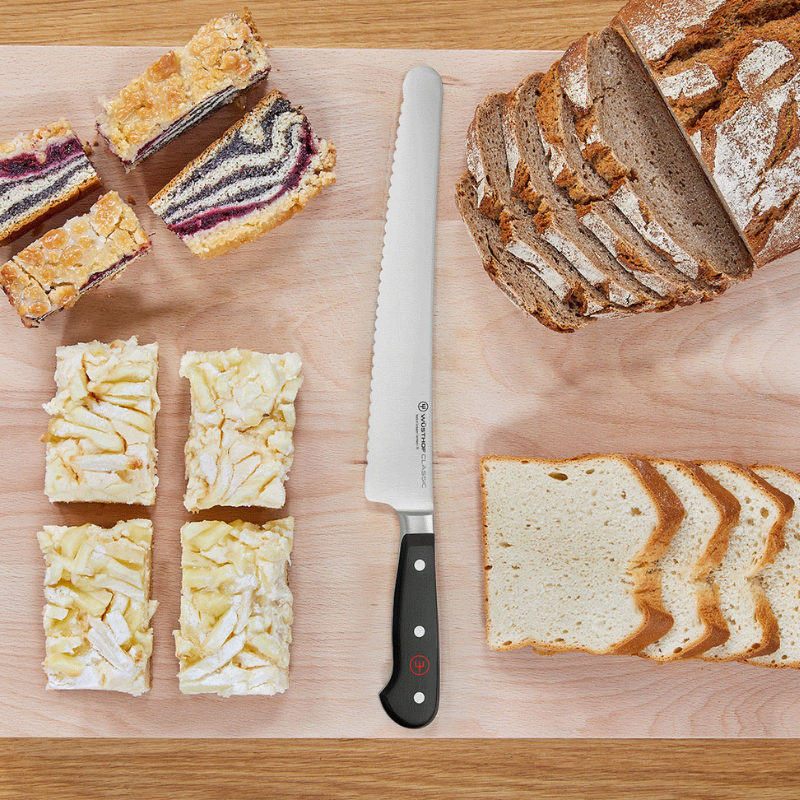
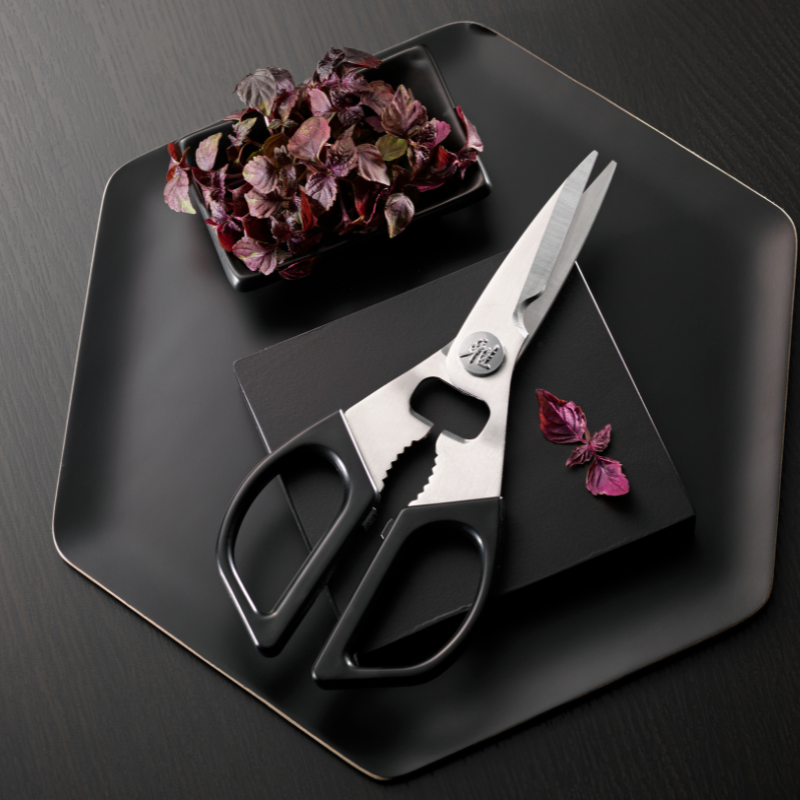
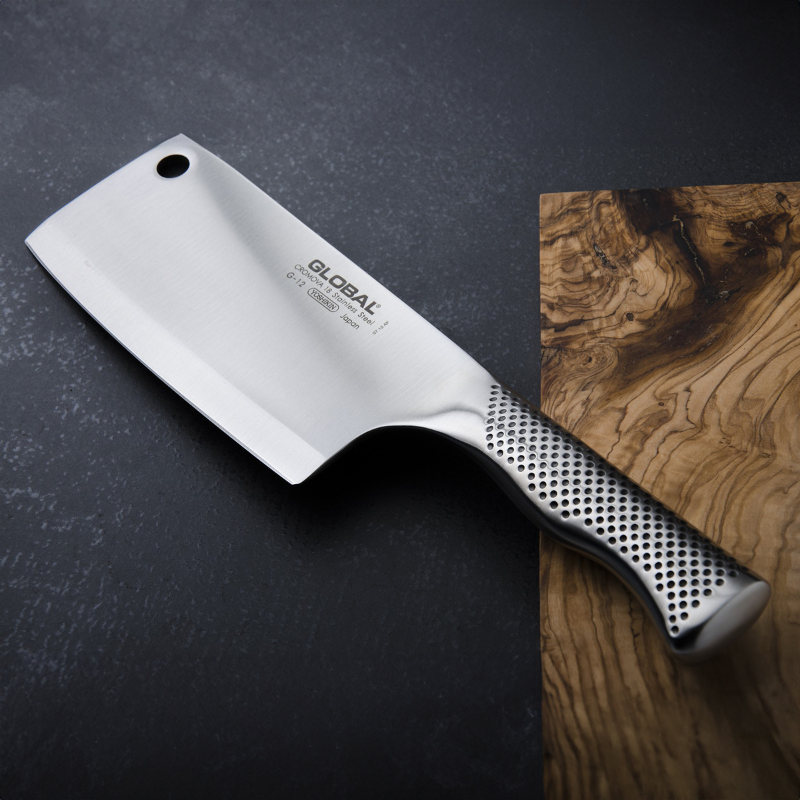
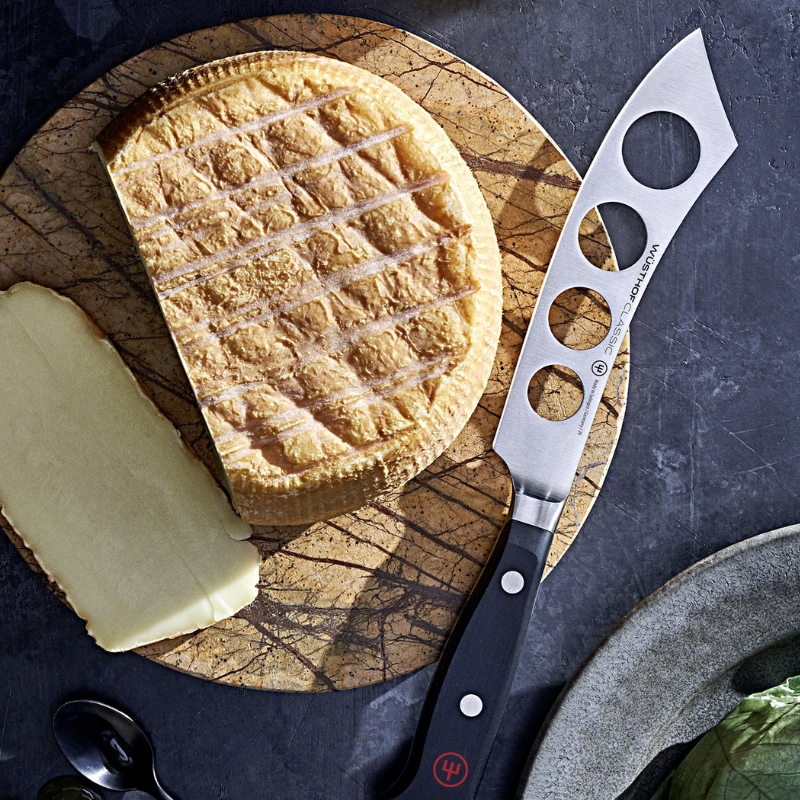
You do not need every blade to cook brilliantly. Begin with these three essentials, then build your collection around how you cook.
Your everyday workhorse for chopping, slicing, dicing and mincing.
Compact control for peeling, trimming, coring and detailed preparation.
A serrated edge for crusty loaves, delicate cakes and ripe tomatoes.
An 8-inch chef knife is the most versatile choice for most home cooks. A 6-inch blade offers added control, while a 10-inch knife is useful for larger ingredients and higher-volume preparation.
Japanese knives are generally lighter and thinner for precise slicing. German knives are typically heavier and more robust for rocking cuts and demanding everyday use.
A forged knife is shaped from heated steel under pressure and is usually thicker, heavier and more substantial in the hand. Forged knives often include a bolster and may provide excellent balance and durability. A stamped knife is cut from a sheet of steel and is generally lighter, thinner and more flexible. Modern stamped knives can still offer excellent sharpness and performance. Steel quality, heat treatment, blade geometry and construction are more important than the manufacturing method alone.
Not necessarily. Forged knives often appeal to cooks who prefer a heavier, more substantial knife, while stamped knives can be lighter, easier to manoeuvre and less tiring during extended preparation. The better choice depends on the quality of the knife and how it feels in your hand.
A knife set provides a coordinated collection and strong value. Buying individually allows you to select each blade according to your cooking style. A chef knife, paring knife and bread knife make an excellent starting collection.
Most home cooks only need full sharpening once or twice per year. Regular honing helps maintain the edge between sharpenings.
No. Dishwasher heat, moisture, detergent and contact with other items can damage the blade and handle. Always hand wash and dry knives immediately.
Wood and quality composite cutting boards are gentle on knife edges. Glass, marble and ceramic surfaces should be avoided because they can dull the blade quickly.
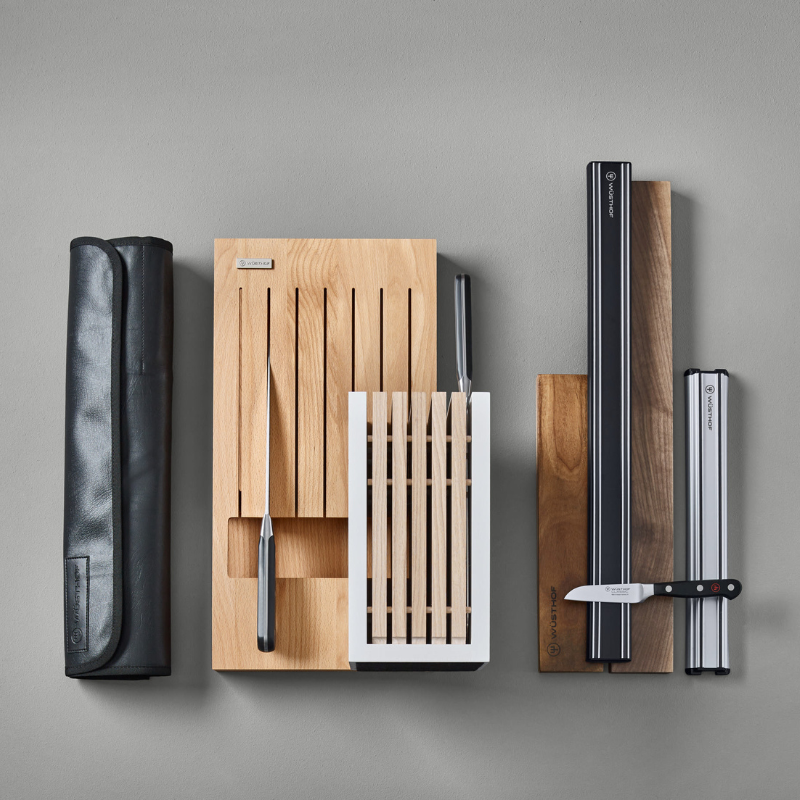
Store knives in a knife block, on a magnetic strip, in a drawer insert or inside protective blade guards.
Hand wash. Dry immediately. Store safely. Hone regularly. Sharpen when needed.